booking form
Saqqara Pyramid
World’s first large-scale stone pyramid
The Birthplace of Pyramid Architecture in Egypt
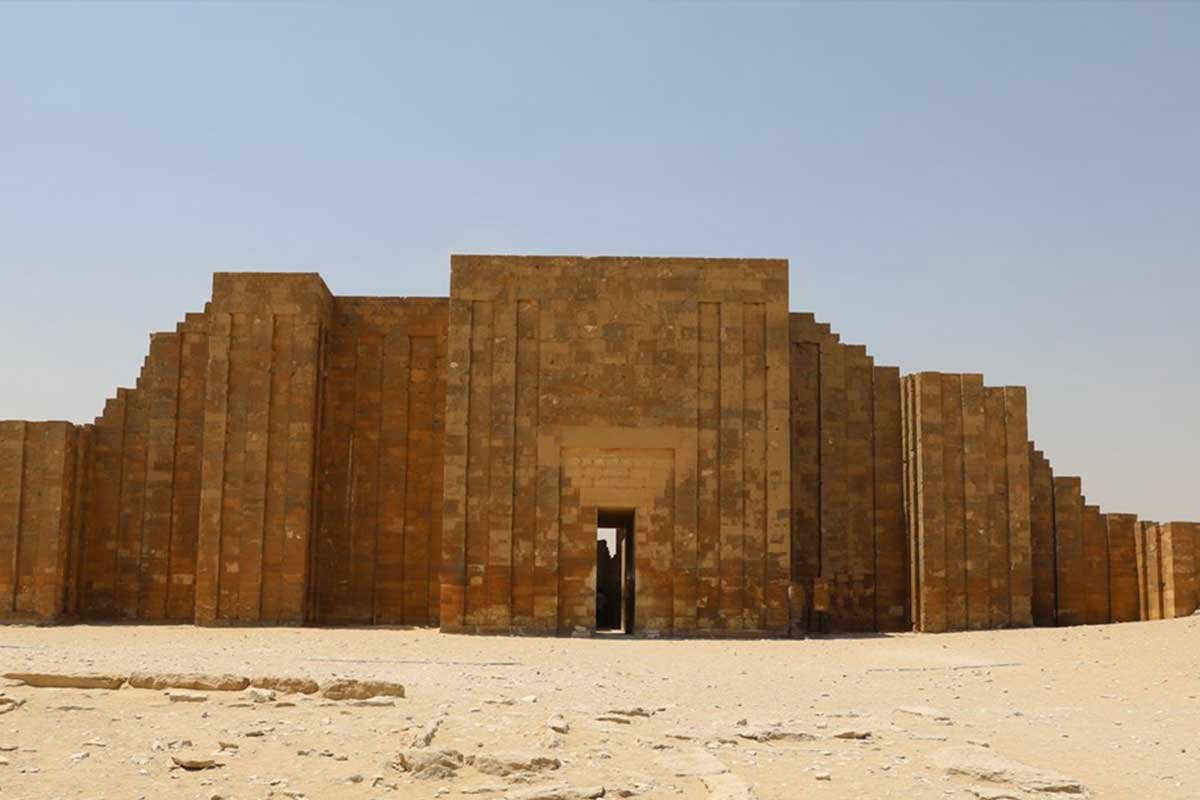
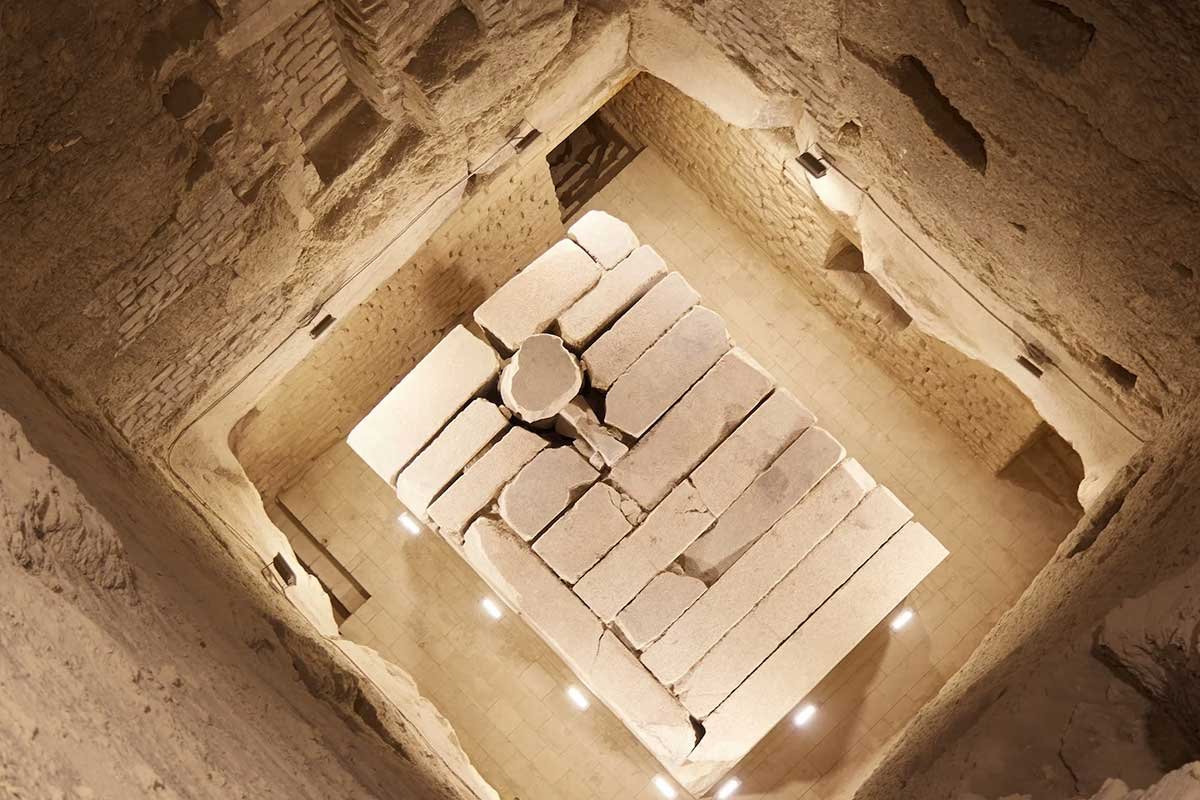
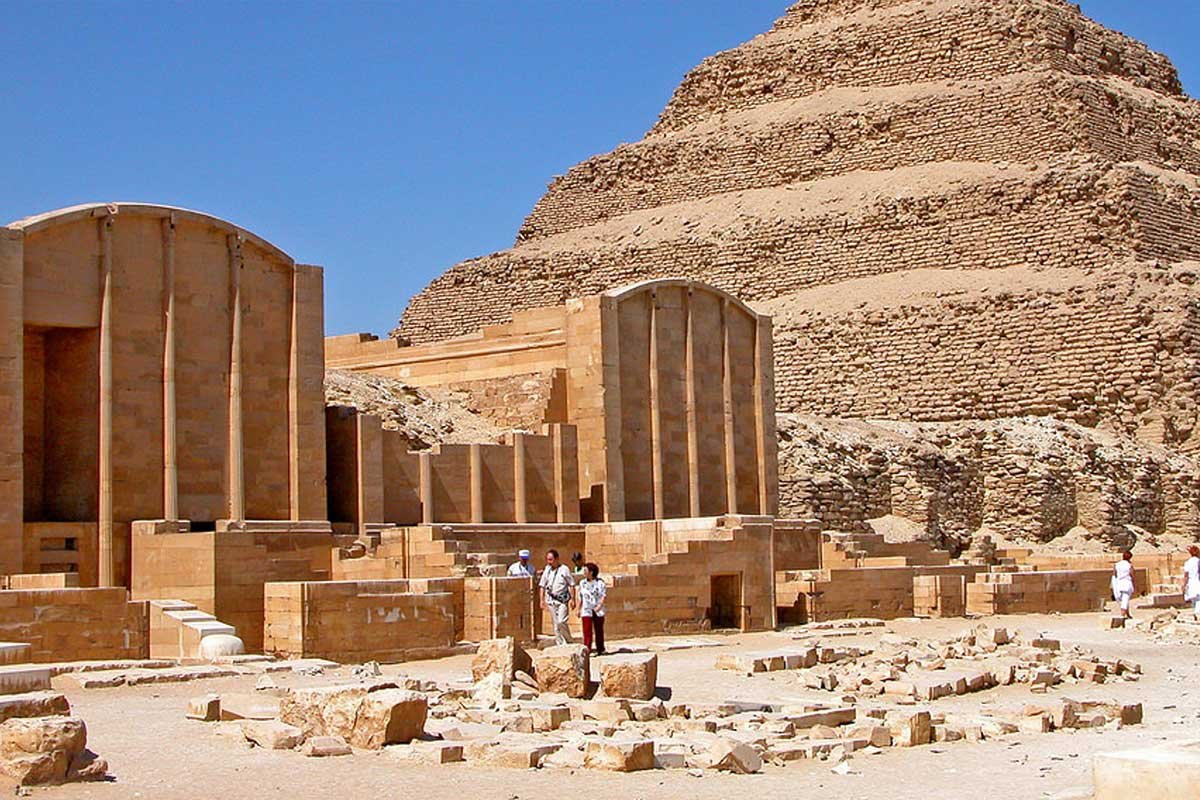
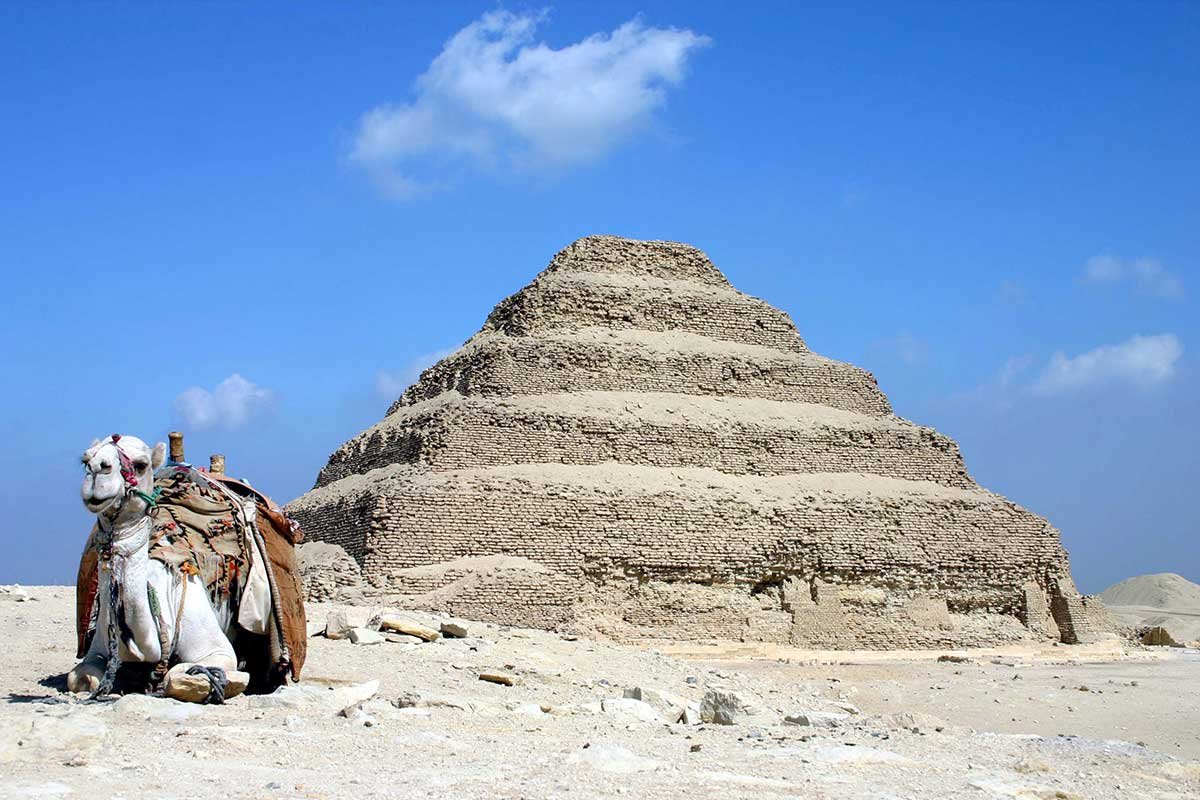
The Pyramid of Djoser, also known as the Step Pyramid of Sakkara, is located in Saqqara, Egypt, and dates back to around 2630–2611 BCE during Egypt’s 3rd Dynasty. Designed by Imhotep, one of the earliest known architects, it is the world’s first large-scale stone pyramid, marking a major innovation in tomb construction by transitioning from mud-brick to limestone. Built as a royal tomb for Pharaoh Djoser, the six-tiered structure is part of a larger complex featuring temples, courtyards, a 10.5-meter-high enclosure wall, and underground chambers. Notable elements include the Serdab Chamber, which once held a ritual statue of the pharaoh. As a precursor to the Giza pyramids, the site is not only architecturally groundbreaking but also spiritually significant—Imhotep was later deified. Today, Saqqara remains a crucial piece of Egypt’s ancient necropolis and is best visited in the early morning to avoid heat and crowds.
General Information:
- Name: Pyramid of Djoser (Step Pyramid of Sakkara)
- Location: Saqqara (Sakkara), Egypt
- Built: Around 2630–2611 BCE
- Dynasty: 3rd Dynasty of Ancient Egypt
- Pharaoh: King Djoser
- Architect: Imhotep (one of history’s first recorded architects)
- Significance: The world’s first large-scale stone pyramid and an early prototype for later pyramids
Historical Background:
- Purpose: Served as a royal tomb for Pharaoh Djoser
- Construction: A six-step mastaba structure made of limestone
- Innovation: Transition from traditional mud-brick tombs to stone pyramids
- Restoration: Underwent conservation efforts in the 20th and 21st centuries
Key Features & Attractions:
- Pyramid Complex: Includes courtyards, temples, and shrines
- Serdab Chamber: Houses a statue of Djoser, used for religious rituals
- Enclosure Wall: A 10.5-meter-high wall surrounding the pyramid
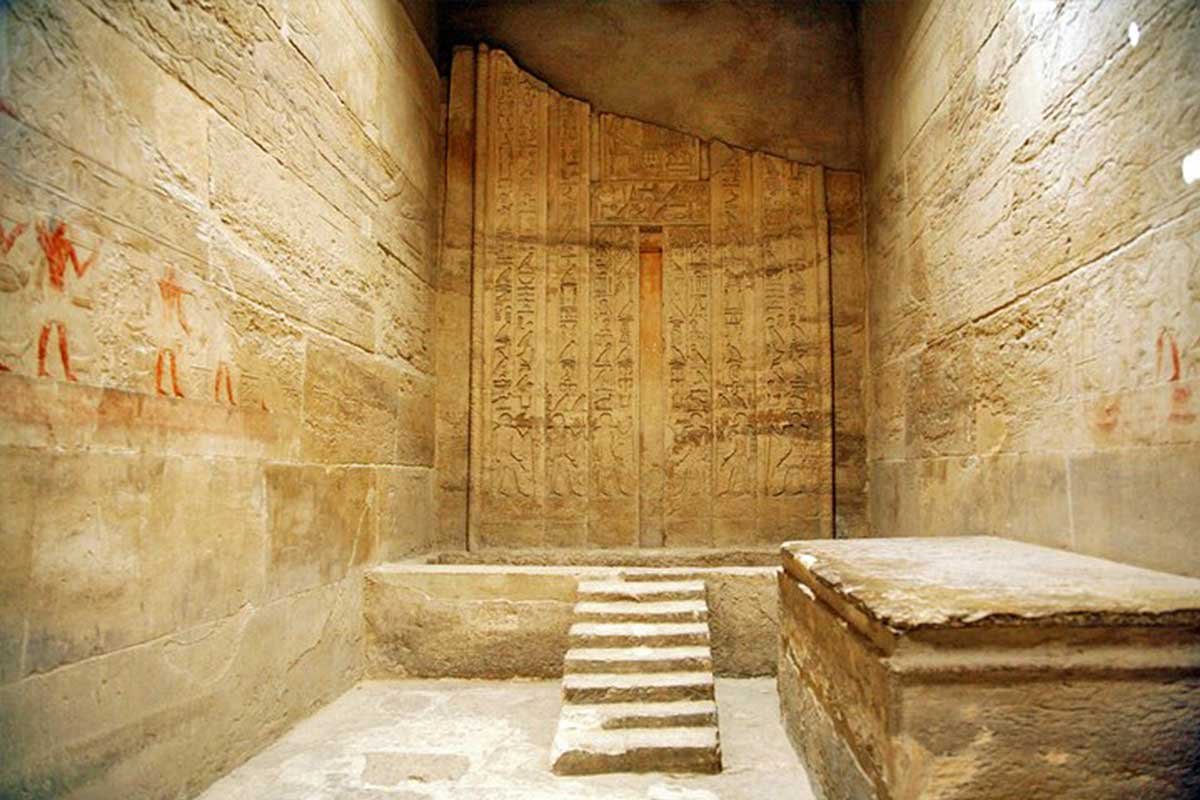
- Underground Chambers: Extensive tunnels beneath the pyramid, originally for burial goods and offerings
Cultural & Historical Importance:
- Considered a precursor to the Great Pyramids of Giza
- Imhotep, the architect, was later deified as the god of wisdom and medicine
- Part of the larger Saqqara necropolis, which contains tombs from different periods of Egyptian history
Tips for Visitors:
- Best Time to Visit: Early morning to avoid the heat
- Clothing: Wear comfortable shoes for walking on sandy terrain
- Photography: Some areas may require special permits